
-
RRP!
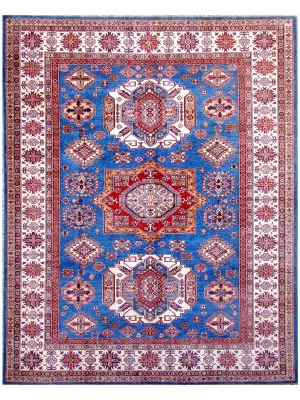
3 Medallion Blue Super Fine Shirvan Rug, Double Hand Knotted, NZ Handspun Wool, Veg Dye Afghan(357 x 267)cm
Original price was: $9,800.00.$7,600.00Current price is: $7,600.00. Add to cart -
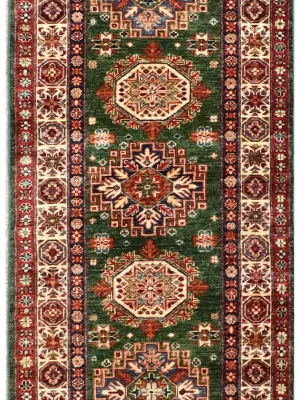
A-463 Super Kazak Runner -298 x 78
Read more -
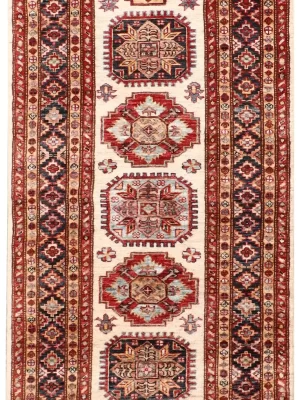
A-466 Super Kazak Runner -296x 86
Read more -
RRP!
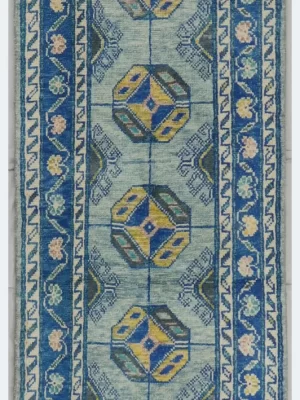
Abshar Blue Soft Wool Veg Dye Afghan Runner (397 x 79)cm
Original price was: $1,350.00.$850.00Current price is: $850.00. Add to cart -
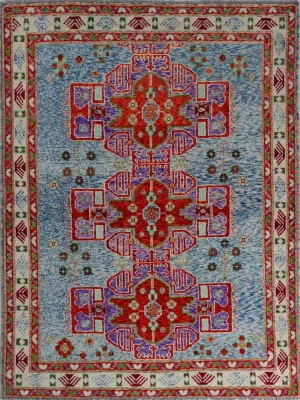
Abshari Rug – 228 x 169
Read more -
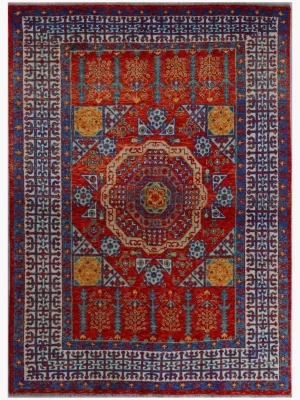
Abshari Rug – 231 x 163
Read more -
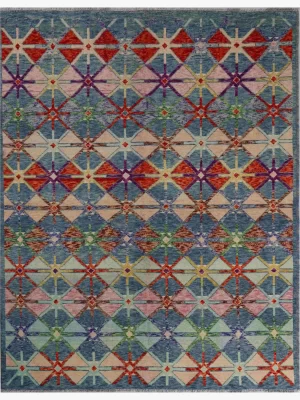
Abshari Rug – 231 x 182
Read more -
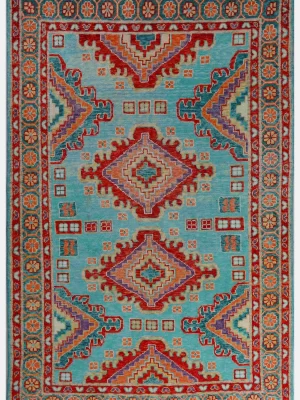
Abshari Rug – 234 x 162
Read more -
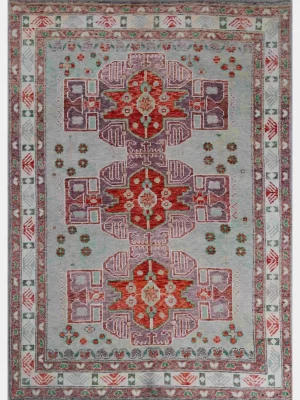
Abshari Rug – 234 x 164
Read more -
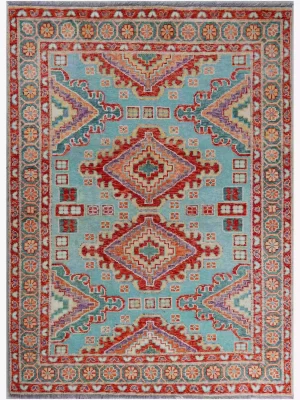
Abshari Rug – 236 x 171
Read more -
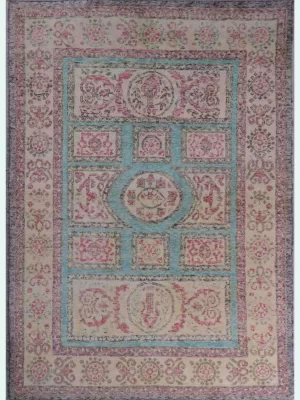
Abshari Rug – 238 x 167
Read more -
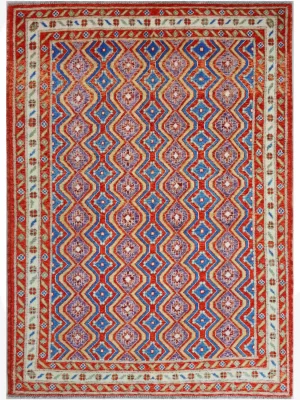
Abshari Rug – 238 x 170
Read more -
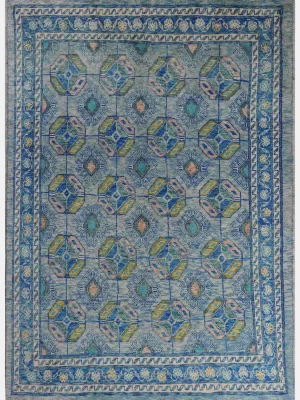
Abshari Rug – 239 x 176
Read more -
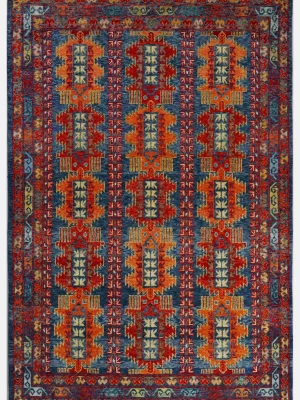
Abshari Rug – 240 x 166
Read more -
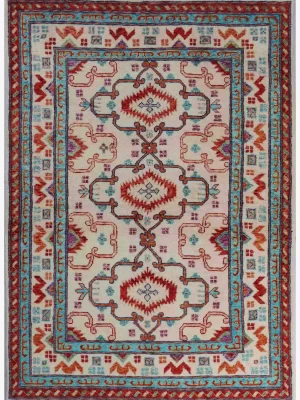
Abshari Rug – 242 x 168
Read more -

Abshari Rug – 242 x 169
Read more
Afghan Rugs in Sydney
Afghanistan has a long weaving tradition, and some of the rugs made there today use hand-spun wool and natural dyes, which give them soft, lively colour. Our Afghan collection ranges from bold tribal designs to calm, contemporary pieces.
- Kazak rugs revive the bold geometric designs of the Caucasus in thick, hard-wearing wool.
- Khorjin rugs take their name from the traditional woven saddlebag and are full of colourful geometric detail.
- Gabbeh rugs follow a nomadic tradition of thick pile and simple, open designs.
- Chobi rugs are known for soft, natural tones from vegetable dyes.
- Mamluk rugs reinterpret the geometric carpets of the Mamluk era.
- Suzani rugs borrow their large floral motifs from Central Asian embroidery.
How Afghan rugs are made
Afghan rugs are hand knotted on a loom, one knot at a time. Some use wool that is spun by hand and coloured with natural dyes from plants such as madder, which gives the deep reds Afghan rugs are known for, and the slight variations in colour that make each rug individual. A room-size rug can take a small team of weavers many months.
Afghan or Persian?
A Persian rug is woven in Iran and an Afghan rug in Afghanistan. Both are hand knotted, but Afghan rugs more often carry bold geometric and tribal designs and a heavier, more relaxed feel, while many Persian rugs have curving floral and medallion designs. Neither is better: it depends on the room and the look you want. See our Persian rugs to compare.
Where Afghan rugs work best
Their thick wool and patterned fields hide everyday wear, so Afghan rugs are a good choice for family rooms, entrances, hallways and dining rooms. Softer Chobi and Gabbeh designs suit calm, modern interiors, while Kazak and Khorjin designs bring warmth and colour to timber floors.
See the collection at our North Willoughby showroom at 307 Penshurst St, or book an in-home viewing.